
Show Rather Than Tell
When considering Post-Traumatic Growth (PTG) and Creative Art Therapy (CAT) practices, it is essential to look at how trauma affects the human brain. Contemporary neuroscience has researched that traumatic memories are stored in the brain's right hemisphere in a non-verbal form and are recalled visually and physically. These memories continue to resonate long after the complex trauma has stopped (Harris, 2009; Levine, 2019; Van der Kolk, 2014). Survivors of complex trauma commonly have difficulty verbally reiterating the trauma experienced, they have suffered or witnessed. Yet psychiatric theory has focused on verbal processing as the primary means of finding a growth narrative.
The research supports the inclusion of non-verbal CAT in trauma-informed practice, as they complement and support the recovery process in powerful ways that strengthen resilience and PTG (Harris, 2009; Levine, 2019; Malchiodi, 2020; Van der Kolk, 2014). Ethnographic research indicates that many cultural groups have long traditions of healing practices that are not reliant on verbal processing and are action-oriented and symbol-laden, speaking the unspeakable. CAT interventions have the opportunity to combine evidence-based practice with humanities ancient art traditions to overcome collective horror and to re-establish community belonging (Harris, 2009; Malchiodi, 2020)
Levine (2009); Wilson et al. (2013) write about overcoming the dumb condition through creative and body-based therapies that promote learning to speak about trauma with aesthetic distance by utilising metaphors about past trauma to become a resource for growth (Fig.1). Throughout the human experience, intergenerational and cultural trauma can occur, often resulting in barriers to trust and openness between people (Gilroy et al., 2019). The creative arts therapist is called to investigate how cultural, political, and social identities, including gender, sexual identity, and age, have shaped the person and their worldview. A reflective practice fosters respect and curiosity in learning about each client's situation and how the CAT therapist's position could, if not recognised and utilised, cause post-traumatic depreciation for both parties involved (Gilroy et al., 2019; Kaplan, 2005). Gilroy et al. (2019) and Levine (2009) discussed that identity is continually shifting and constantly undergoing a renovation that can hold "stories of horror side by side, stories about delicious watermelons (Gilroy et al. 2019, p. 61).
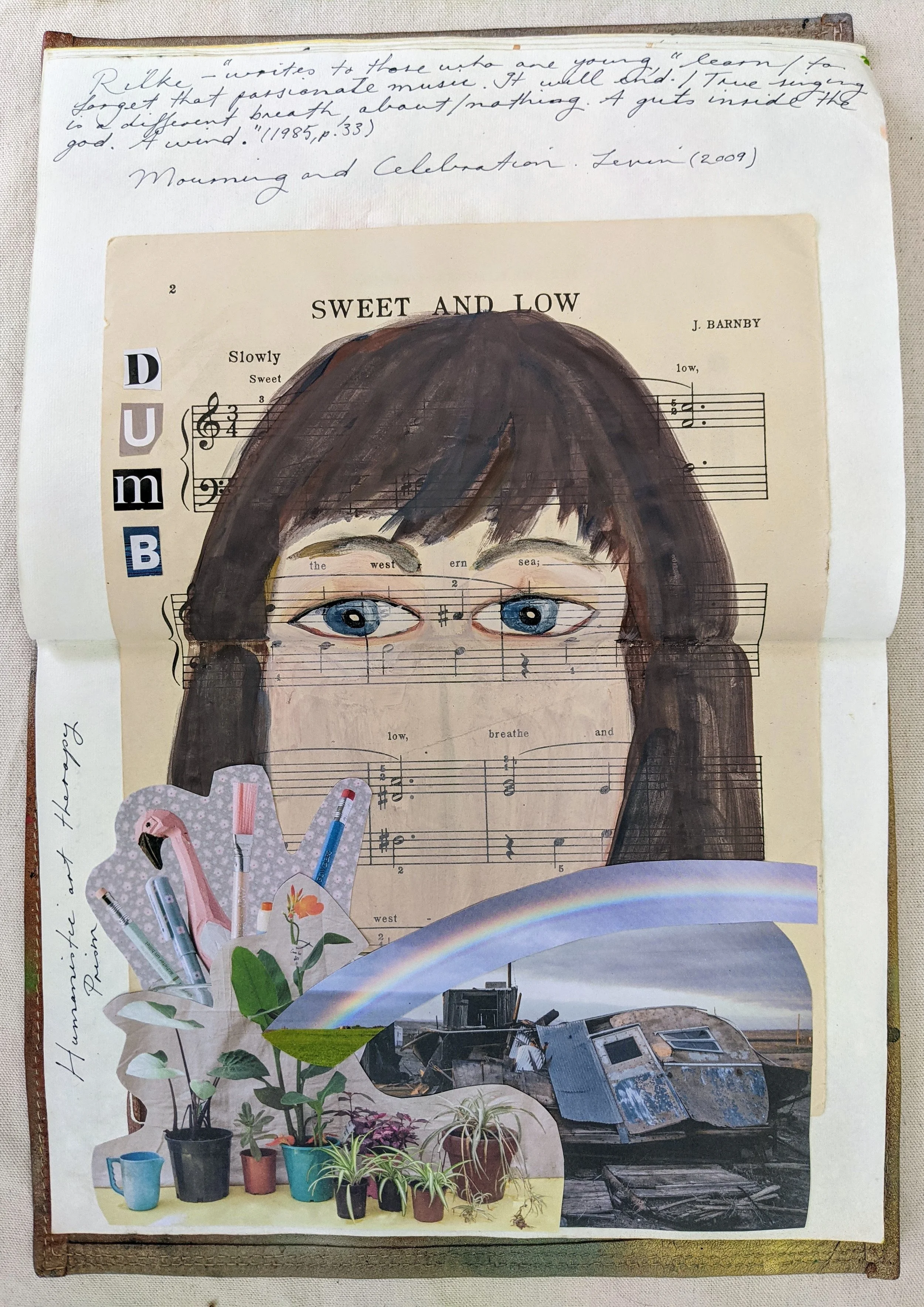
Figure 1 "Dumb Rainbow." Mixed media. Lorelee Gobetti 2021
